On the Record
BLOG
Glocalfilia
Biólogo por la UNAM, PhD en ecología y evolución por Montpellier II, Francia. Actualmente en la Dirección Ejecutiva del Centro Interdisciplinario de Biodiversidad y Ambiente (CeIBA). Consultor independiente.
AGENDA
Our place in Planet Earth
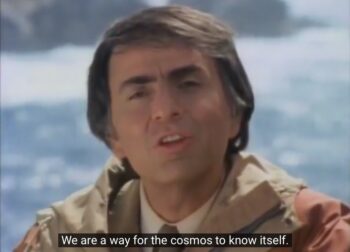
We are a way for the Cosmos to know itself
Carl Sagan
Cosmos: A Personal Voyage
A 1980 television series written by Carl Sagan, Ann Druyan, and Steven Soter. It covers a wide range of scientific subjects, including the origin of life,
the history of the Univers, and a perspective of our place in it.
Watch here
…

Information on the status of the environmental global agenda :
Agriculture & Food Security, Atmosphere, Biodiversity, Chemicals and Wastes, Cities, Climate Change, Disasters & Humanitarian Relief, Economics & Investment, Energy, Forests, Governance, Human Development, Islands, Land, Oceans & Coasts, Science, Sustainable Consumption & Production, Water & Sanitation, NEGOTIATIONS…
…
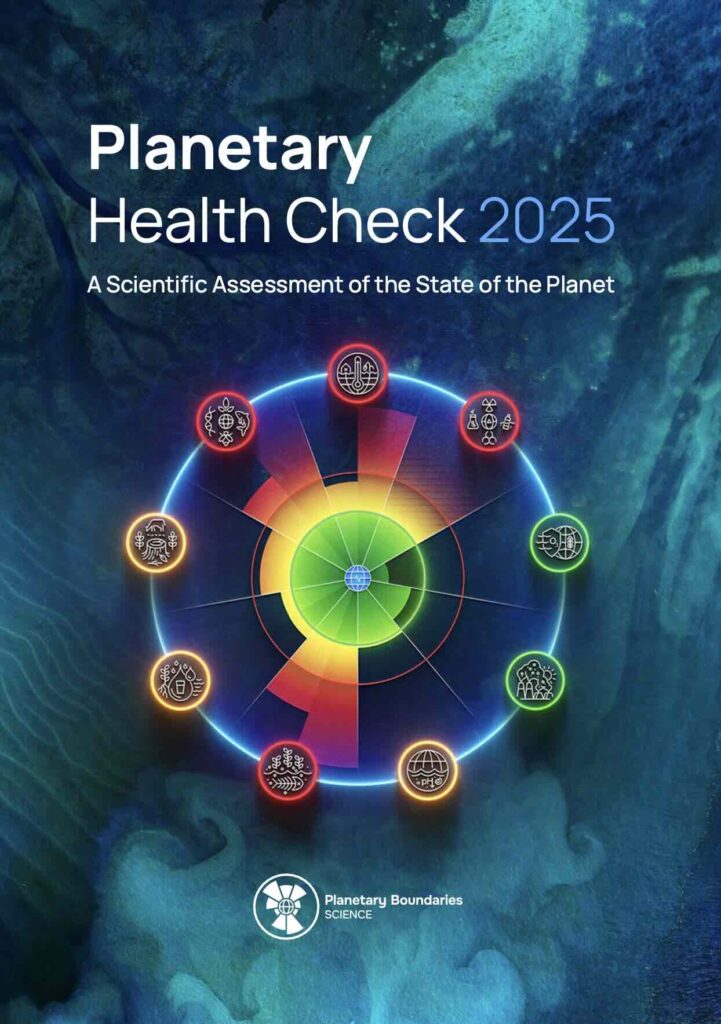
Seven of nine planetary boundaries now breached

Planetary boundaries: the fundamentals
Living beyond the limits that biosphere’s boundaries dictates to Homo sapiens…
…
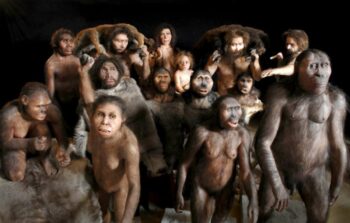
Human Evolution
Each new piece of the puzzle of human evolution allows us to know a little more and better about our place in the Earth’s biodiversity and about the meaning of life. How we came to be the only humans on Earth and then, how we became a kind of gods thanks to our science and technology, mixed with Stone Age emotions and Middle Age institutions… Some pieces of this puzzle here
…
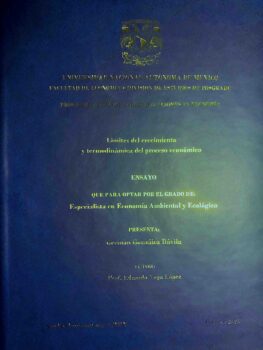
Thermodynamics of the economic process
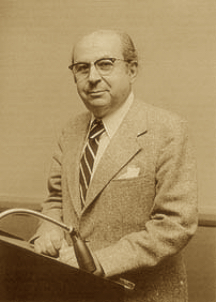
Main critics of economic theory from the point of view of thermodynamics. He developed, although left unfinished, the bioeconomic theory. His legacy provides the scientific foundation for ecological economics, and the inspiration for the various zero-growth, «strategic retreat,» or degrowth movements.
More on N. Georgescu-Roegen: here
BIBLIO
Selected readings
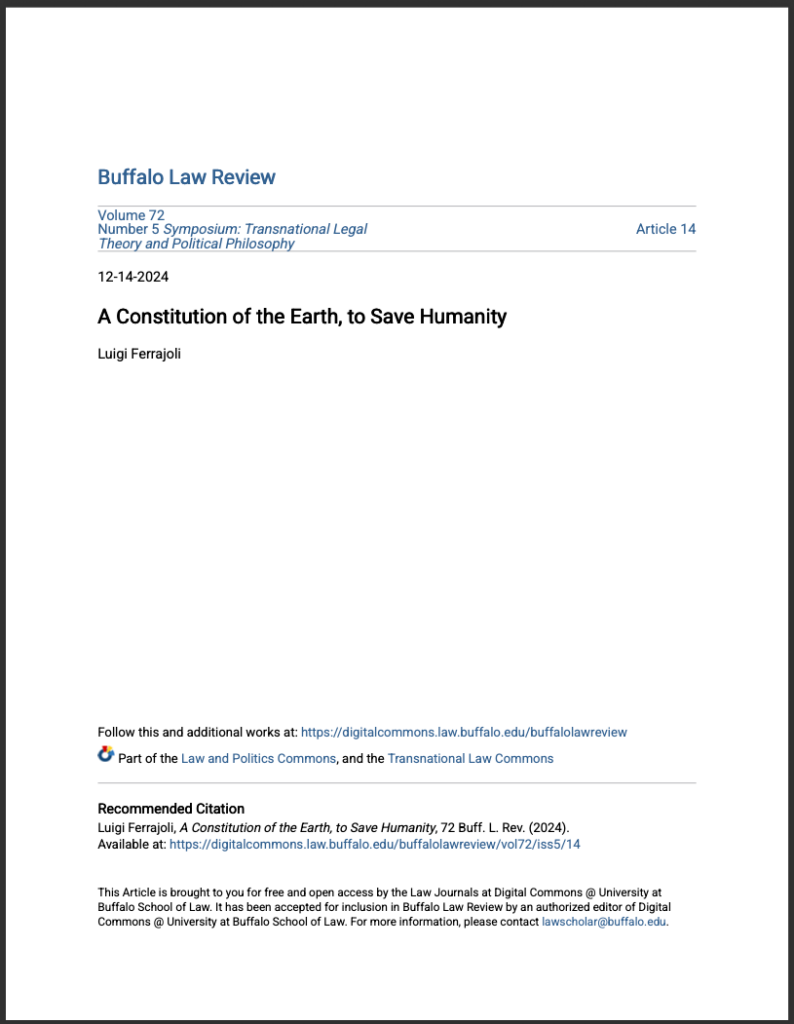
A Constitution of the Earth, to Save Humanity
Luigi Ferrajoli
Seven of nine planetary boundaries now breached
Smil, V. 2013. Harvesting the Biosphere – What We Have Taken from Nature. MIT Press
[Here, a résumé]
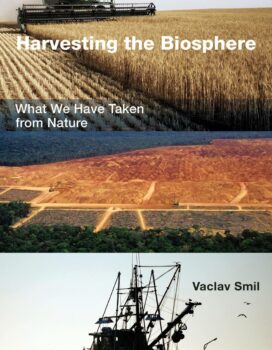
An interdisciplinary and quantitative account of human claims on the biosphere’s stores of living matter, from prehistory to modern crop production, noting that the increasing extent and intensity of present-day biomass harvests are changing the very foundations of civilisation’s well-being.
Smil, V. 2022. How The World Really Works. Penguin Books, UK. 326 pp.
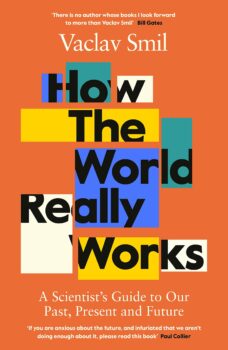
Vaclav demonstrates that the world works supported by four main pillars: steel, cement, plastics and ammonia. To maintain these pillars, our societies have been steadily increasing their dependence on fossil fuels, making their complete and rapid elimination unlikely. More on Vaclav Smil here.
Hutchinson, G. E., et al. 1970. Sci. Am. Sp. Iss., Sept. 1970, Vol. 223, Num. 3.
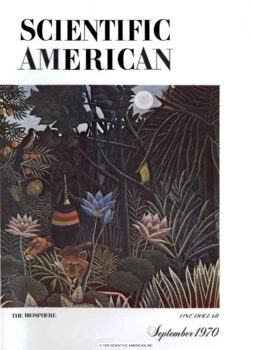
Pioneering publication explaining the production of food, goods and services is a process based on energy and materials flows through the human economic system, a process embedded in the biogeochemical earth’s cycles and, consequently, biophysically constrained by the biosphere’s planetary boundaries and charge capacity.
Planetary Boundaries
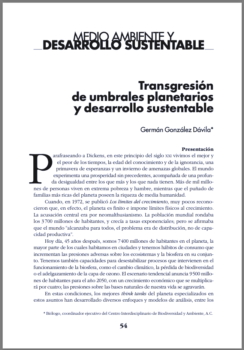
Transgresión de umbrales planetarios y desarrollo sustentable. Configuraciones 44, mayo-agosto 2017, Revista de la Fundación Pereyra y del IETD
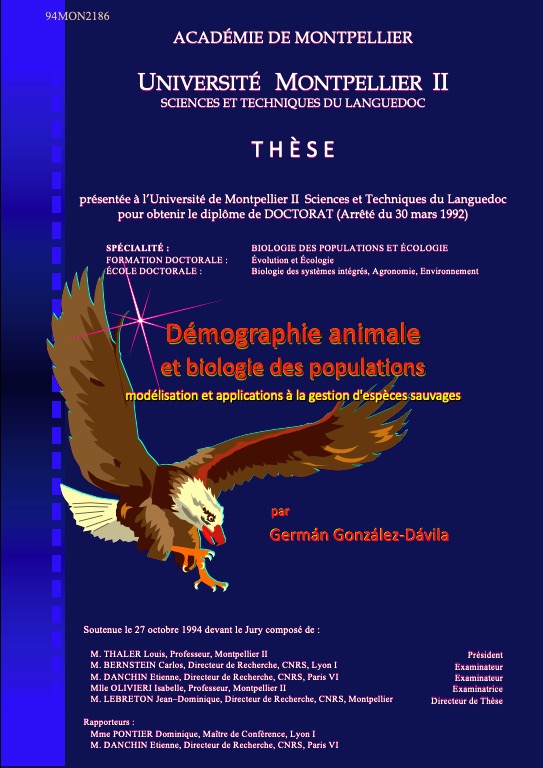
Demography
DEMOGRAPHIC MODELS
Continuous-time; discrete-time; branching processes; demographic parameters; life-tables; evolutionary fitness.
Political Ecology
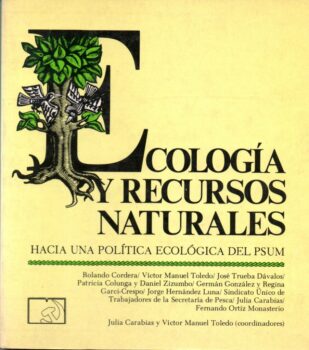
Carabias, J. & Toledo, V (coord.). 1983. México.
This work triggered the public policies for renewable natural resources in Mexico.
A very friendly introduction to Sciences
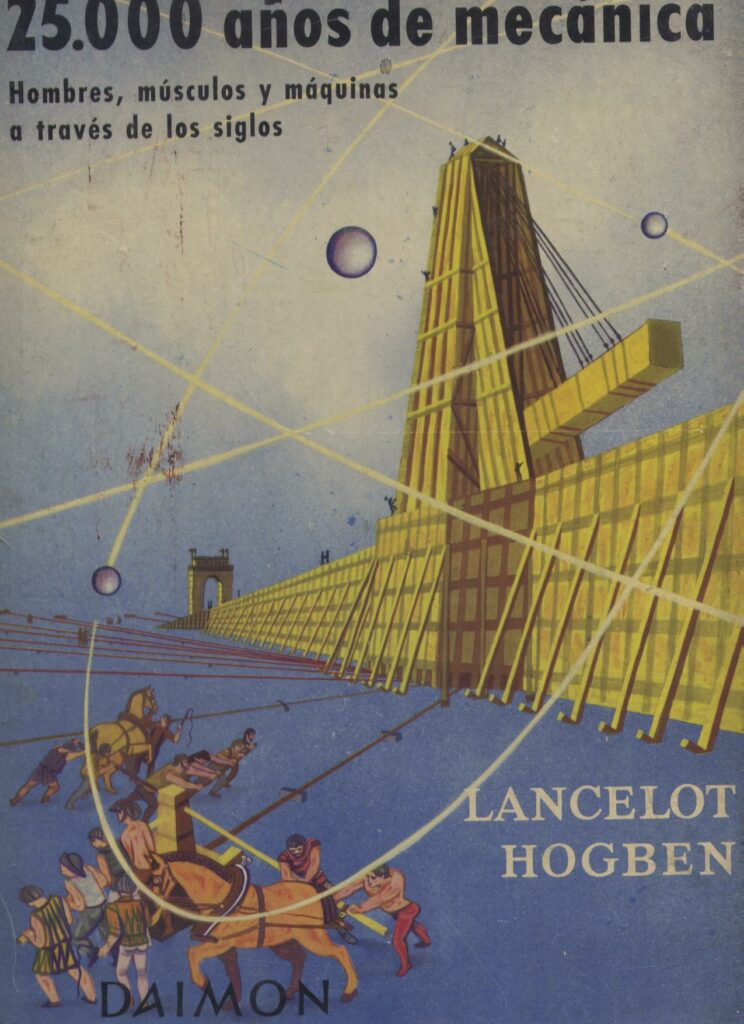
25,000 años de mecánica: Hombres, músculos y máquinas a través de los siglos
Acerca de cómo Homo sapiens pasó de una civilización basada en energía solar,
a una civilización basada en combustibles fósiles (energía solar almacenada geológicamente,
lo que constituye un subsidio ecológico)